How to Accessorize Simple Outfits: Expert Tips for Elevating Minimal Looks
You can make a simple outfit look intentional and polished with a few purposeful accessories that reflect your personal style. Choose one focal accessory — like a statement necklace, a bold belt, or a standout bag — to elevate a plain tee or basic dress without overwhelming the look.
They should balance proportions and color: use scale to contrast simplicity, layer small pieces for texture, and pick a unifying color or metal to keep outfits cohesive. This article breaks down practical rules and quick combinations so you can accessorize confidently for any casual or work setting.
Core Principles for Accessorizing Simple Outfits
Good accessories enhance proportion, add texture, and reflect personal style without competing with the outfit. Focus on fit, scale, and a clear focal point to transform simple pieces into intentional looks.
Choosing the Right Accessories for Your Foundation
Start with the outfit’s silhouette and color palette. For a fitted sheath dress, choose slimmer accessories like a delicate chain, a narrow belt, and a low-profile watch to preserve clean lines. For looser shapes—oversized sweaters or wide-leg trousers—introduce structure with a wide belt, a cuff bracelet, or a bold tote to create visual balance.
Match the accessory scale to the garment scale. Small prints take fine jewelry; large blocks of color suit chunkier pieces. Consider fabric weight: lightweight silk pairs well with thin metal chains, while heavy knits handle leather straps and chunky necklaces. Keep material choices limited to two or three to maintain cohesion.
How to Select a Statement Piece
Choose one statement piece to anchor the look, such as a bold necklace, large cuff, or patterned scarf. Let that piece dictate the rest: if a necklace dominates, keep earrings minimal; if a bag is the focus, simplify jewelry and shoes. A classic watch can act as a subtle statement when paired with sleek bracelets.
Evaluate contrast and context. A brightly colored bag transforms neutral outfits, while an oversized pendant adds personality to monochrome looks. Ensure the statement piece complements rather than clashes with the outfit’s tone—matte finishes with matte fabrics, polished metals with refined textures. Maintain one clear focal point per outfit.
Mixing and Matching Jewelry
Mix metals purposefully: pair warm gold with rose gold for cohesion, or anchor mixed metals with a neutral centerpiece like a leather strap or black stone. Balance size and rhythm by alternating thin and chunky pieces—stack slim rings with a single bold ring on the opposite hand to avoid clutter. Use a classic watch as an organizing element; it grounds bracelets and keeps the wrist area tidy.
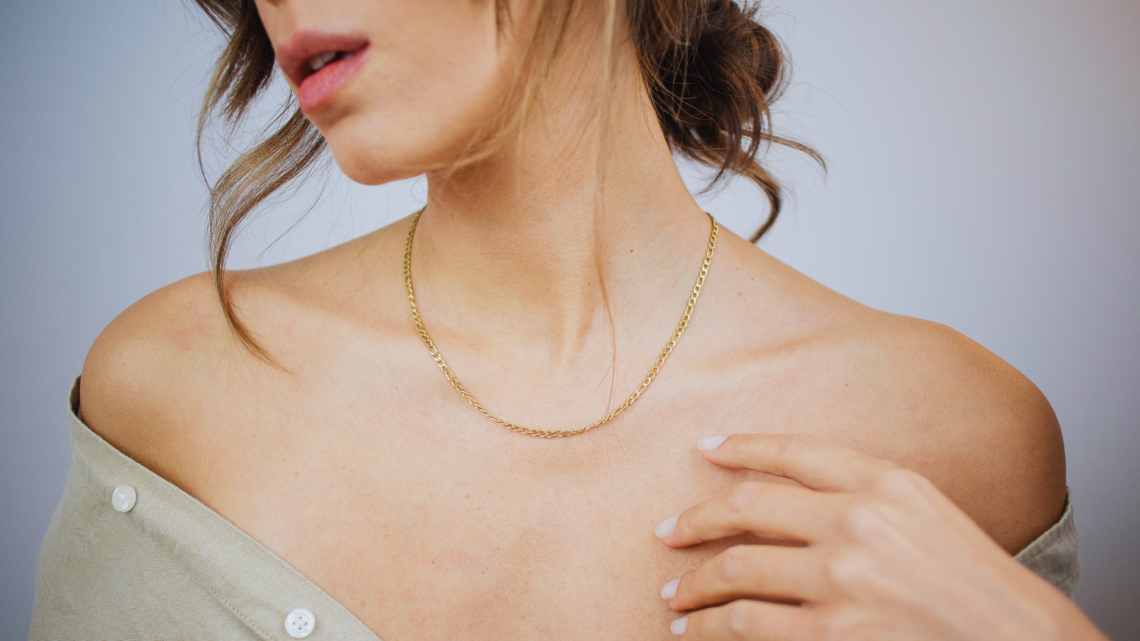
Layer necklaces by length and weight: start with a choker or short chain, add a mid-length pendant, and finish with a longer, delicate chain. Avoid repeating identical shapes; vary textures—smooth, hammered, beaded—to create interest. Prioritize comfort and movement; jewelry should enhance the outfit without snagging fabric.
Balancing Texture, Color, and Structure
Create harmony by mixing one textured accessory with smoother garments—for example, a woven belt with a silk blouse. Use color to connect pieces: pick an accessory color that echoes a minor tone in the outfit, such as a scarf that matches shoe piping. Structural contrasts work well—pair a rigid bag with soft tailoring to add definition.
Think of accessories as visual punctuation. Use small pops of color (socks, earrings) to liven monochrome outfits. When combining textures, limit to two dominant textures plus one accent to avoid visual noise. Keep proportions consistent: heavy textures need simpler shapes, and intricate patterns require calm, structured accessories.

You May Also Like

How to Dress for Your Unique Body Shape: A Guide to Flattering Styles and Fits
Sustainable Fashion Explained: 5 Tips for Shopping Sustainably