Fashion Tips for Small Wardrobes — Smart Capsule Strategies and Styling Essentials
They know a small wardrobe doesn’t mean limited style; it means smarter choices. Focus on versatile pieces, strong fits, and a clear color palette to get more outfits from fewer items.
This post shows how to prioritize quality, mix-and-match essentials, and use accessories to stretch every piece. Expect practical strategies and easy swaps that make daily dressing faster and more confident.
Essential Fashion Strategies for Small Wardrobes
Smart selection, strategic combinations, and efficient storage let a compact closet serve many looks. Focus on high-quality essentials, a neutral palette, smart layering, and space-saving organizers to create a practical minimalist capsule wardrobe.
Creating Versatile Capsules With Wardrobe Essentials
They should build a capsule collection around reliable wardrobe essentials that mix and match. Start with a white button-down, a fitted tee in black and gray, a navy blazer, tailored trousers in charcoal, slim dark jeans, and a khaki trench coat as a transitional piece. Add a neutral midi skirt and a little black dress for dressier needs.
Choose quality over quantity: invest in well-cut items—a blazer with structured shoulders, trousers with a clean rise—to make each piece work across outfits. For travel capsule wardrobe or tiny wardrobe needs, limit items to 8–15 pieces and prioritize pieces that layer well. Label seasonal swaps and keep a short wishlist to replace worn items instead of accumulating extras.
Mixing and Matching Outfits Using a Neutral Color Palette
A neutral color palette multiplies outfit options because colors coordinate easily. Combine beige, navy, black, gray, and white as base tones; add one accent color like olive or burgundy for variety. Pair tailored trousers with a white tee and blazer for work, then swap heels for ankle boots to transition to evening.
Use texture and proportion to avoid monotony: silk blouse with wool trousers, knit sweater with denim, or leather ankle boots with a midi skirt. Create a simple matrix on paper or phone: rows for tops, columns for bottoms, and mark five go-to combinations to streamline outfit planning. This method shows what a capsule wardrobe is and how it works.
Layering and Accessorizing for Maximum Outfit Variety
Layering turns a small wardrobe into many outfits. Start with base layers—tees, camis, fitted shirts—then add a knit, blazer, or the khaki trench coat depending on the weather. Use a blazer for structure and a trench as a lightweight outer layer for transitional dressing.
Accessories change mood quickly: swap sneakers for heels and add a silk scarf or statement belt to dress up the same trousers. Shoes matter—include neutral heels, black ankle boots, and low-profile sneakers. Use jewelry, hats, and a crossbody bag to alter formality without extra clothing. Emphasize personal style through a few signature pieces rather than many trend items.
Practical Organization and Storage Solutions
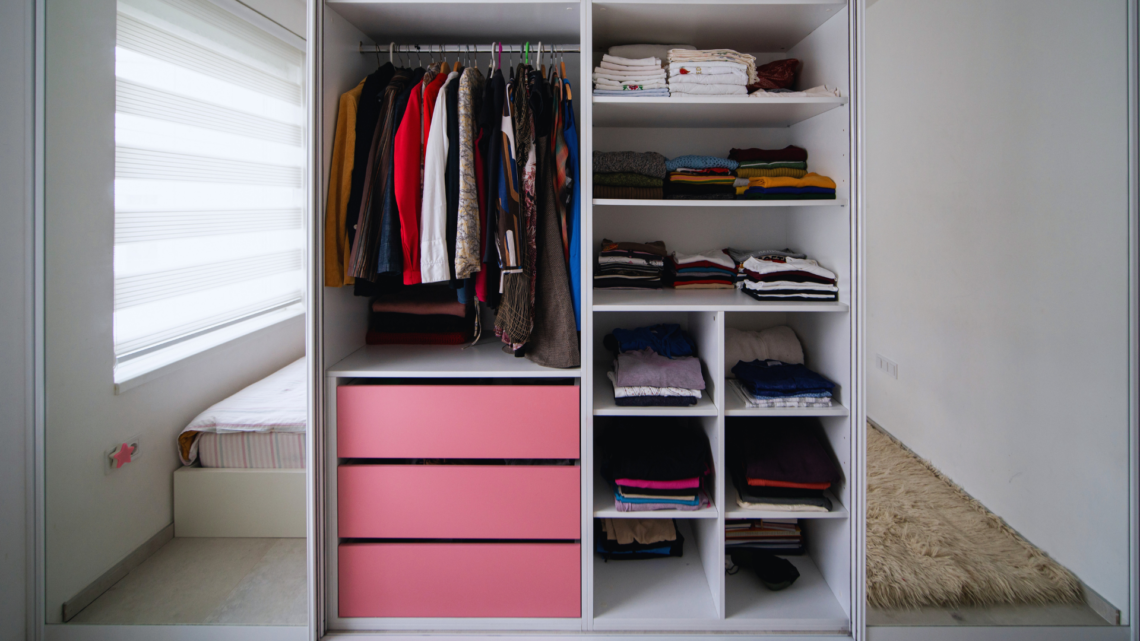
They should organize to make every piece visible and accessible. Use slim velvet hangers to save space and keep blazers and coats in shape. Install a hanging organizer with clear pockets for scarves and belts, and a shoe organizer—stackable or wall-mounted—for heels and boots.
Group items by function—work, casual, outerwear—and rotate seasonally into under-bed storage bins labeled by item type. Keep a small repair kit and a capsule wardrobe checklist near the closet to maintain quality and decide what to replace. These wardrobe tips help a minimalist wardrobe stay useful and reduce decision fatigue.


You May Also Like

Fashion Careers: Leading Job List in the Fashion Industry
How to Style a Red Dress