How to Build a Capsule Wardrobe: A Confident, Practical Guide to Simplifying Your Style
A capsule wardrobe simplifies choices and saves time by keeping only versatile, well-fitting pieces you actually wear. Build it by identifying your daily activities, choosing neutral basics, adding a few statement items, and limiting the total pieces to what you can mix and match easily.
They will learn what a capsule wardrobe is, how to evaluate current clothes, and which essentials to keep or replace. This article walks through practical steps so they can create a compact, functional closet that reflects personal style without clutter.
How to Build a Capsule Wardrobe: Essential Steps
This section explains concrete actions to reduce clutter, increase outfit combinations, and choose versatile pieces that suit daily life and special occasions.
Assess and Edit Your Closet
Begin by emptying one section of the closet and sorting items into four piles: Keep, Mend, Donate/Sell, and Recycle. Use a timer—spend no more than 20 minutes per category (tops, bottoms, outerwear, shoes) to avoid decision fatigue.
For the Keep pile, apply the capsule wardrobe rule: keep items worn at least once in the past 6–12 months that fit well and match at least three other pieces. Move anything stained, misshapen, or uncomfortable to Mend or Recycle. Photograph items before donating to create a visual wardrobe checklist.
Create a simple inventory list with item type, color, and condition (e.g., “blue jeans — good,” “white button-down shirt — needs new buttons”). This inventory supports a functional wardrobe plan and highlights gaps—such as missing tailored trousers or a trench coat—so future purchases target real needs, not impulse buys.
Define Your Personal Style and Lifestyle Needs
Identify daily activities and dress codes: commuting, office meetings, casual weekends, formal events, and travel. Allocate capsule slots proportionally—e.g., 40% workwear, 40% casual, 20% dress-up—so the capsule collection reflects how often each situation occurs.
Craft a short style statement: three adjectives that describe desired looks (for example, “modern, tailored, relaxed”). Use that statement to guide choices like a blazer for structured days or sneakers for active weekends.
List problem scenarios (rainy commute, last-minute dinner) and choose one or two versatile solutions each time—waterproof trench coat, loafers that transition to evening—so purchases solve specific lifestyle issues rather than follow trends.
Choose a Neutral Color Palette and Accent Colors
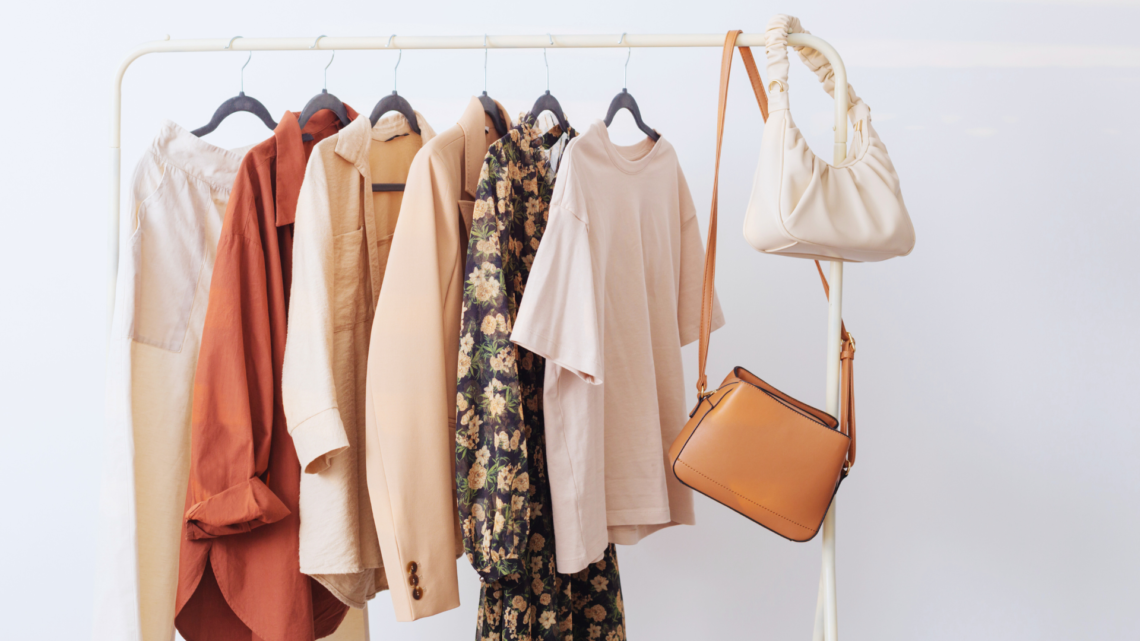
Start with 3–4 neutrals: navy, black, gray, beige, or white. These form the backbone of the capsule and maximize outfit combinations. Add 1–2 accent colors—olive, burgundy, or soft blue—to create visual interest without reducing versatility.
Map colors across categories in a simple table:
| Category | Neutrals | Accents |
| Tops | white, navy, gray | soft blue |
| Bottoms | black, denim, beige | olive |
| Outerwear | navy, camel | burgundy |
| Shoes | black, tan | — |
Keep accessories and patterns limited to one coordinating accent color and one subtle pattern (stripe or small print) to maintain a minimalist wardrobe while allowing personality.
Select Versatile Wardrobe Essentials
Prioritize quality basics with proven versatility: a well-fitted white button-down shirt, dark jeans, tailored trousers or chinos, a blazer, a trench coat, and a neutral sweater. Choose fabrics that hold shape—cotton poplin, merino wool, and mid-weight denim.
For footwear, include sneakers for casual days, loafers or flats for smart-casual, and one pair of dress shoes or low heels. Follow a simple 5-4-3-2-1 capsule wardrobe guideline if helpful: 5 tops, 4 bottoms, 3 outer layers, 2 pairs of shoes, 1 statement piece.
Test combinations by creating 10 outfit pairings from chosen pieces and adjusting until each item contributes to multiple looks. This approach reduces decision fatigue, creates a functional wardrobe, and ensures purchases fill real gaps rather than duplicate existing wardrobe essentials.

You May Also Like
Three Hot Trends For 2022 Fashion
Affordable Fashion Basics for Men: Essential Budget-Friendly Wardrobe Staples and Styling Tips