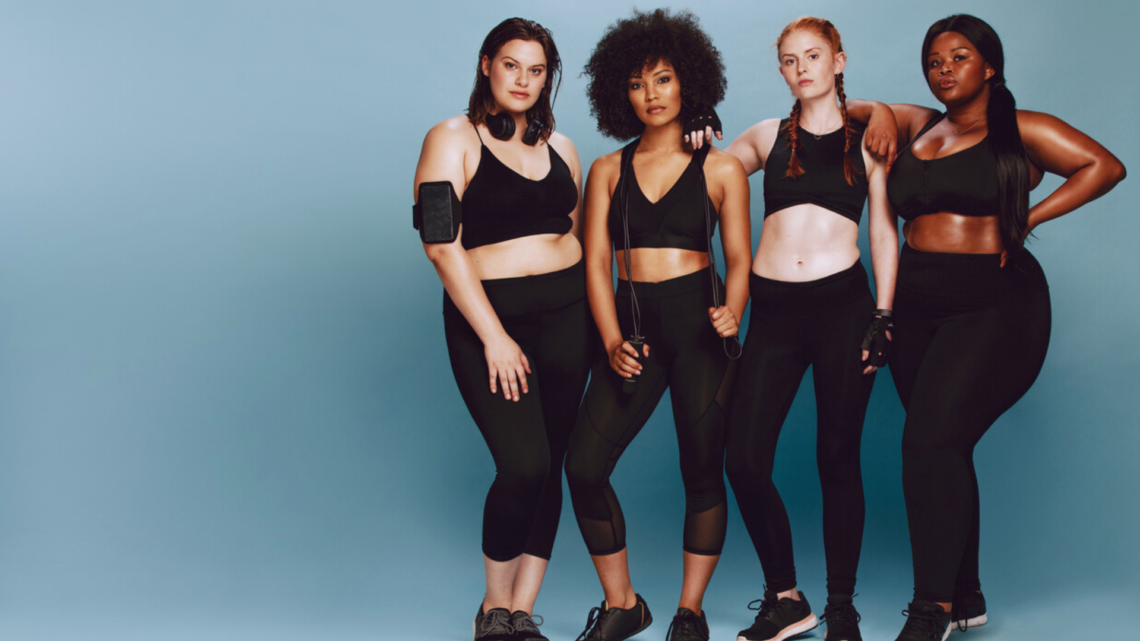
How to Dress for Body Shape: Expert Tips to Flatter Every Figure
You’ll learn how to choose clothing that balances proportions, highlights strengths, and minimizes problem areas so outfits feel intentional and comfortable. Focus on silhouettes, proportion, and fabric to create looks that flatter your specific body shape.
They’ll get practical guidance for common body types—what fits to seek, what to avoid, and simple styling tricks that make shopping faster and dressing easier. Expect clear, actionable tips that make it simple to apply the advice to everyday outfits.
How to Dress for Body Shape: Key Strategies for Every Type
Focus on balancing proportions, defining the waist, and choosing silhouettes that emphasize the strongest features. Use targeted necklines, waist treatments, and skirt or pant shapes to create visual harmony.
Identifying Your Body Shape with Measurements
They measure three key areas: bust, natural waist, and hips. Use a soft tape, stand relaxed, and record each circumference to the nearest half inch.
Compare numbers to common categories:
- If bust and hips are within 1–2 inches and the waist is 8–12 inches smaller, it indicates an hourglass.
- If hips exceed bust by 3+ inches, it suggests a pear/triangle.
- If bust exceeds hips by 3+ inches, it points to an inverted triangle.
- If bust, waist, and hips differ by less than 3–4 inches, it’s a rectangle/straight.
Also note shoulder width, torso length, and where the weight concentrates. Photographs in fitted clothing help confirm measurements and visual proportions.
How to Dress for an Hourglass Shape
They highlight a defined waist and balanced bust-to-hip ratio. The goal is to maintain proportion and showcase the waist without adding bulk.
Choose fitted, structured garments: wrap dresses, fit-and-flare, belted sheath, or tailored blazers that nip at the waist. Necklines like scoop, sweetheart, V, or square suit the bust, while pencil skirts and straight-leg or slightly tapered pants follow natural curves. Avoid oversized, shapeless items and heavy embellishment at the midsection. Use single-breasted jackets and fabrics with slight stretch to contour. Keep patterns proportional to body size; medium-scale prints and vertical seams reinforce the silhouette.
How to Dress for a Pear Shape
They carry width at the hips and thighs with a smaller bust and a defined waist. The objective is to balance the wider lower half with added visual interest above the waist.
Use tops that broaden the shoulder line and draw the eye up: structured blazers, boat necks, ruffled or peplum tops, and statement sleeves. Choose A-line, fit-and-flare, or tiered skirts to skim hips without clinging. Darker, solid bottoms and lighter or patterned tops create contrast. For pants, prefer flared, wide-leg, or bootcut styles that balance proportions; avoid tight skinny jeans that emphasize the hip line. Belts work when placed at the natural waist to define shape. Fabrics with soft drape prevent bulk at the hips.
How to Dress for an Apple Shape
They carry weight around the midsection with slimmer legs and often a fuller bust. The priority is elongating the torso, minimizing the midriff focus, and emphasizing the legs.
Choose tops and dresses with empire waists, V-necks, wrap styles, and longer layered cardigans to create a vertical line. A-line and fit-and-flare dresses, maxi dresses with defined underbust or belted at the smallest part of the torso, and sheath dresses with strategic seaming work well. Avoid clingy bodycon styles around the stomach; instead, select structured fabrics with slight give. For bottoms, pick straight-leg, flared pants, or dark tapered trousers to showcase legs. Vertical details, single-breasted jackets, and open necklines lengthen the look.

You May Also Like

Dressing For Your Body Shape – Dos and Don’ts

How to Dress for Your Unique Body Shape: A Guide to Flattering Styles and Fits
